
Signs your recruiting team is at capacity
Capacity problems rarely announce themselves. They show up as small delays that add up.
- Candidates wait days for feedback or next steps, and some withdraw.
- Recruiters spend more time scheduling than speaking with candidates.
- Sourcing stops because every hour goes to active pipelines.
- New requisitions sit open for weeks before anyone starts on them.
- Hiring managers start running their own searches.
None of this means your team is doing a poor job. It means the hiring plan grew faster than the team that supports it. A strong recruiter carrying too many roles makes the same trade-offs every time: the urgent search gets attention and the important one waits.
The answer is more capacity, placed where the work is. That might be another full recruiter, a sourcer feeding pipelines or a coordinator taking scheduling off your team's plate. The right mix depends on where your time goes today.
Why more headcount is not always the first answer
Hiring a full-time recruiter is a search of its own. You write the role, interview candidates, make an offer and wait for a notice period before anyone ramps. By then the spike in demand may have passed, or moved to a different function.
Demand for recruiting is uneven. A product launch, a new office or a funding round can double the plan for two quarters, then settle. Permanent headcount sized for the peak sits underused after it.
Supplemental recruiters give you capacity that matches the plan. You add support when the roles are open and adjust the scope as priorities change, at a monthly, predictable cost. If the demand turns out to be permanent, you can still hire in-house with a clearer picture of what you need. Our comparison of embedded recruiting vs in-house recruiters covers when each model makes sense.
How supplemental recruiters work alongside your team
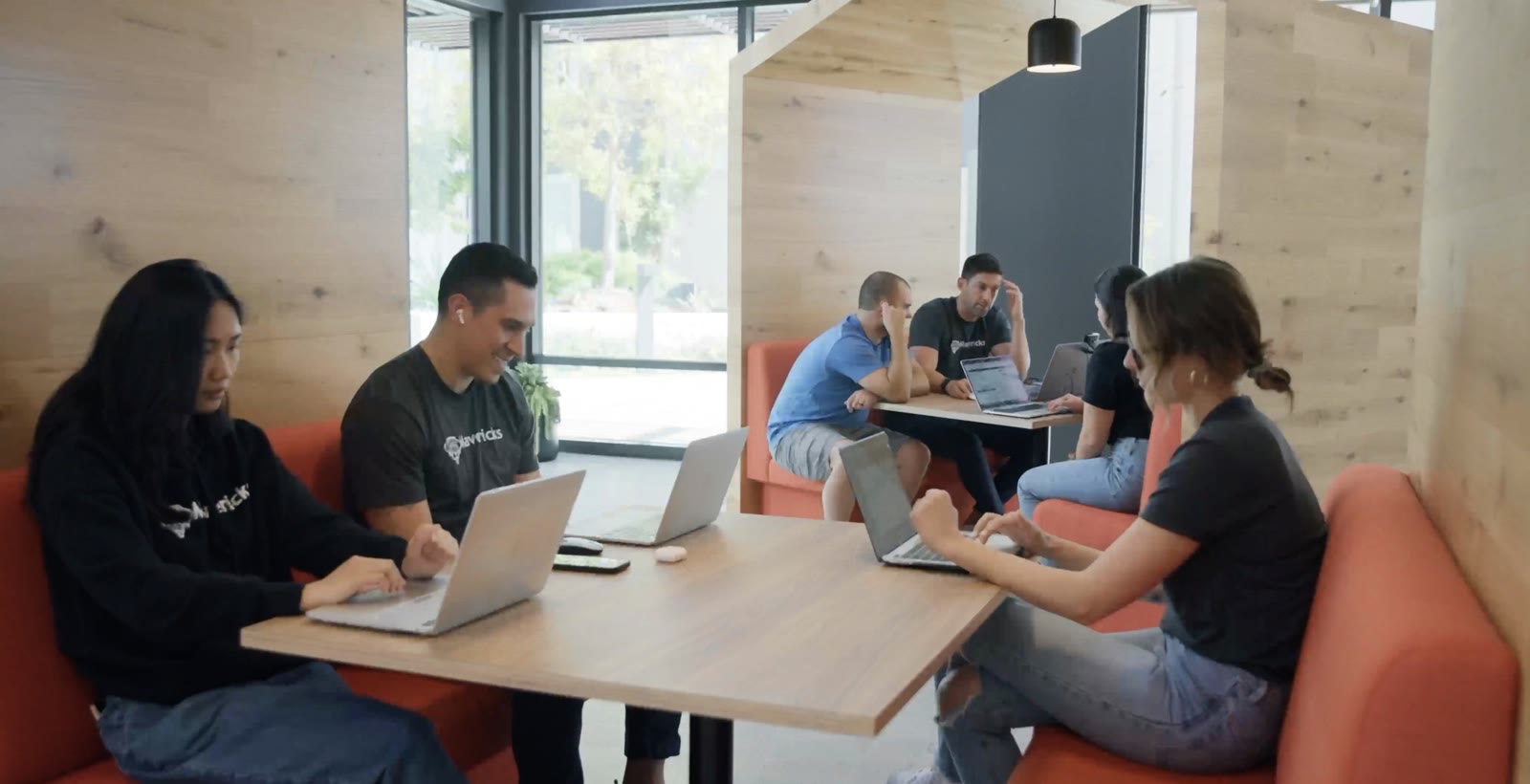
An experienced embedded recruiter - a Maverick - joins your recruiting team, not a separate workstream. They work in your applicant tracking system, use your interview process and follow your hiring standards.
Before work starts, we agree which searches your Mavericks own, who they partner with and how handoffs work. Some teams give us a full function, such as all go-to-market roles. Others give us a set of hard-to-fill searches so their own recruiters can focus on the rest.
Your Mavericks run those searches end to end: role alignment with hiring managers, sourcing and outbound messages, screens, interview support, candidate communication and offer support. Your hiring team makes the decisions.
Because they work inside your systems, the candidate records, notes and pipeline data stay with your company when the engagement ends. Nothing lives in an outside database you cannot see. See Embedded Recruiting for the full scope.
Choose the right kind of support
Not every capacity problem needs a full recruiter. Look at where your team's hours go, then add support there.
- Embedded Recruiting when you have more searches than recruiters and need someone to own roles from intake to offer.
- Embedded Sourcing when your recruiters can run the process but the top of the funnel is thin. Sourcers handle market mapping, research, outbound messages and qualification screening, then hand qualified candidates to your recruiters.
- Embedded Coordination when interview volume is eating your team's time. A coordinator handles scheduling, rescheduling and next-step follow-ups.
Many teams combine these. A recruiter with a sourcer behind them can carry more searches than either can alone, and a coordinator keeps both focused on candidates instead of calendars. We help you choose the mix in the first conversation.
Keep your team in charge
Adding outside recruiters should not mean losing sight of your own hiring. Your head of talent or recruiting lead stays the owner of the plan, the process and the standards.
You get a detailed weekly recruiting update covering each search: pipeline progress, open feedback and the next actions needed. We run weekly or bi-weekly syncs with your team, and your Mavericks join the hiring-manager meetings you choose.
Behind that update is MavsHQ, our recruiting operations and analytics platform, and Mav, the AI companion every Maverick works with. They help your recruiters prepare, track activity and keep reporting consistent. Your team sees the results through the update and your recruiter. There is nothing new to log in to.
Mavericks has more than 50 experienced recruiters and over six years of embedded recruiting. That depth means we can match recruiters to your functions and adjust support as your plan changes.